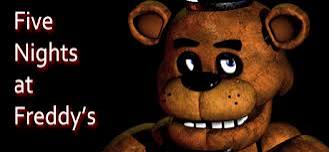
Horror games have carved out a unique space in the gaming world—they're not just about jump scares and gore, but about building tension, testing your nerves, and creating unforgettable moments that stay with you long after you've turned off the screen. If you've ever wondered what makes these games so captivating, or if you're thinking about diving into the genre for the first time, let's talk about what makes them tick—and why a game like FNAF captures so many players' attention.
The beauty of horror games lies in their interactivity. Unlike watching a scary movie where you're a passive observer, horror games put you in the driver's seat. You're making the decisions. You're managing limited resources. You're the one who has to keep yourself alive—or fail spectacularly trying. That shift in control creates a level of immersion and personal investment that other media simply can't replicate.
These games also excel at psychological tension. The best horror experiences don't rely solely on what jumps out at you; they build dread through atmosphere, sound design, and anticipation. You start sweating before anything scary even appears because you know something might happen, and you're bracing yourself for it.
Let's take FNAF as our example. On the surface, it's deceptively simple: you're a security guard stuck in an abandoned pizzeria for five nights, monitoring cameras and managing power while animatronic characters hunt you. But this simplicity is precisely what makes it brilliant.
The core gameplay involves resource management and decision-making under pressure. You're constantly weighing options: Do you check that camera or save power? Lock down a door or leave it open to conserve battery? Each choice matters because your resources are finite, and the animatronics grow more aggressive each night. This creates a natural difficulty curve that keeps things from feeling routine.
The game's genius is in its pacing. Early nights feel tense but manageable, lulling you into a false sense of security. Then night five hits, and suddenly you're juggling multiple threats while your power meter ticks down mercilessly. By the final night, you're in full survival mode, making split-second decisions with shaky hands.
Horror games typically follow similar design principles: establish normalcy, gradually increase stakes, deliver moments of genuine danger, and force players to make meaningful choices under stress. It's this balance of control and powerlessness that keeps your heart racing.
Start with the right mindset. Horror games are experiences, not competitions. You're not trying to speedrun or achieve perfect scores—you're there to feel something. Embrace the discomfort. Let yourself be scared. That tension is the feature, not a bug.
Environment matters. Play in a darker room with headphones if possible. Sound design is absolutely crucial in horror games; muted audio kills half the impact. The combination of visual and auditory elements working together creates something far more effective than either alone.
Take breaks when you need them. There's no shame in stepping away for a few minutes if things get intense. Horror games are designed to stress you out—that's the point—but burning out defeats the purpose. Play at your own pace.
Pay attention to details. Developers hide clues and lore in subtle places: background details, dialogue snippets, environmental storytelling. These details enrich your experience and often explain the "why" behind the scares. You'll notice things on subsequent playthroughs that missed you the first time.
Don't watch guides immediately. Part of the horror game experience is figuring things out yourself, making mistakes, and learning through trial and error. Jumping straight to a guide removes that discovery process. Give yourself a genuine chance with the game first.
What keeps players coming back to games like FNAF isn't just the thrill of surviving another night. It's the story woven into the experience—the mystery of what happened, who these characters are, and why you're trapped in this nightmare in the first place. Horror games at their best combine genuine scares with compelling narratives that make you care about what happens.
There's also something satisfying about overcoming fear. Beating a difficult section of a horror game feels genuinely triumphant because you've conquered your anxiety while playing. That's a unique type of accomplishment.
Horror games aren't for everyone, and that's perfectly fine. But if you're curious about the genre or looking for something that truly grips your attention, give one a shot. You might discover that experiencing controlled fear in a game is oddly satisfying. Whether it's surviving animatronics, exploring haunted spaces, or unraveling psychological mysteries, horror games offer experiences you simply can't get elsewhere.
The key is approaching them with the right expectations: you're not playing to win in the traditional sense. You're playing to feel alive, to be challenged, and to step outside your comfort zone—safely. And honestly, in a world that often feels too predictable, that's pretty valuable.